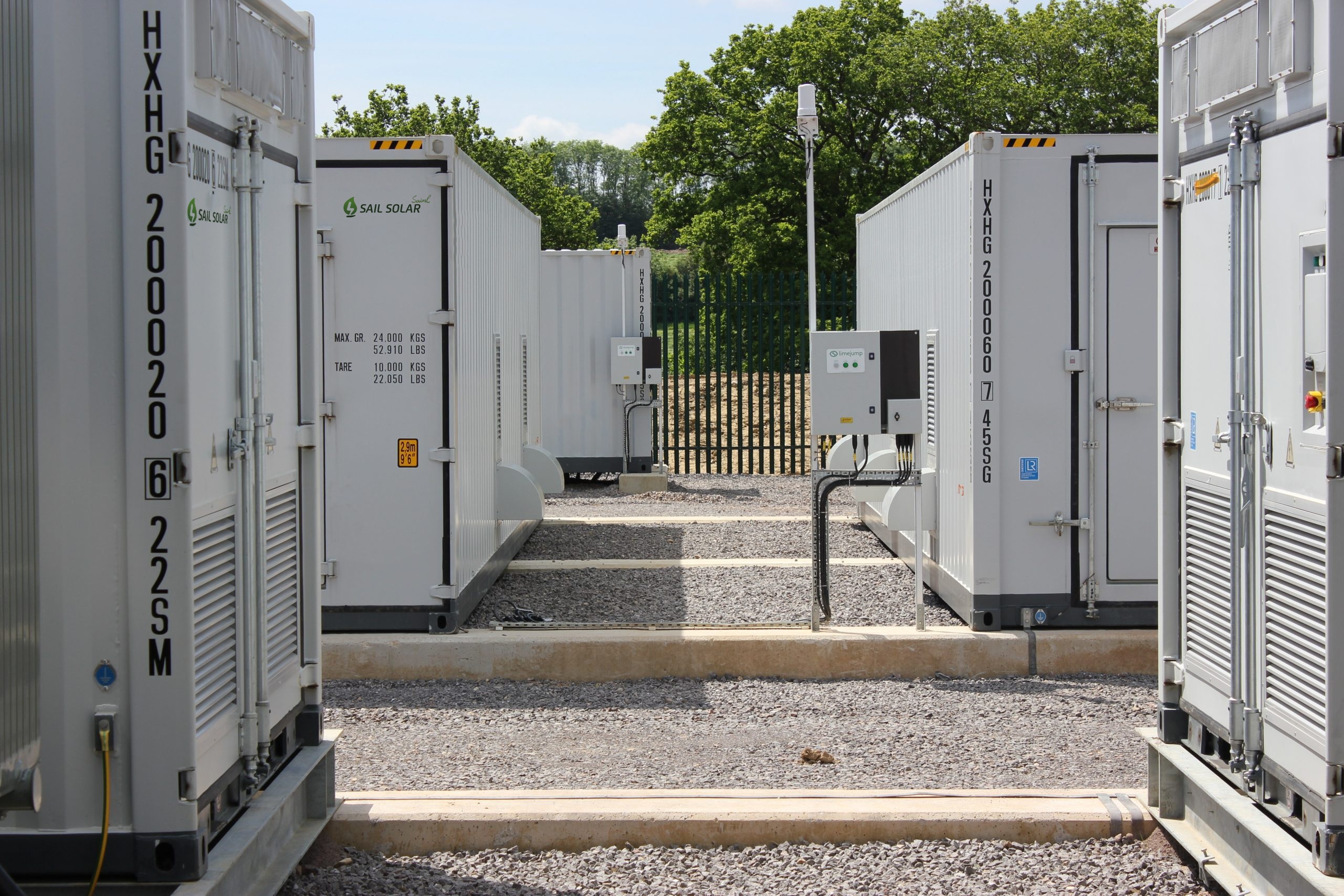
Battery Energy Storage Systems (BESS) are pivotal technologies for sustainable and efficient energy solutions. Here we provide a comprehensive exploration of BESS, covering fundamentals, operational mechanisms, benefits, limitations, economic considerations, and applications in residential, commercial, and industrial (C&I), and utility-scale scenarios. Whether you're an energy enthusiast or a key player in renewable energy transitions, it will equip you with a deep understanding of BESS and its critical role in energy storage evolution.
What Is BESS?
BESS is advanced technology enabling the storage of electrical energy, typically from renewable sources like solar or wind. It ensures consistent power availability amidst unpredictable energy supply due to factors such as weather changes and power outages. BESS integrates seamlessly with renewables, enhancing their reliability and mitigating supply variations to maintain steady power supply and grid stability.
How Does BESS Work?
BESS converts and stores electricity from renewables or during off-peak times when electricity is more economical. It releases stored energy during peak demand or when renewable sources are inactive (e.g., nighttime solar), using components like rechargeable batteries, inverters for energy conversion, and sophisticated control software. This technology reduces reliance on costly peak-power plants, lowers greenhouse gas emissions, and enhances grid stability.
Benefits and Limitations of BESS
Benefits
1. Renewable Energy Integration
BESS stores surplus energy generated from renewable energy sources such as wind and solar. This stored energy can be released when demand exceeds production. This technology plays a crucial role in integrating renewable energy into our electricity grids by helping to address the inherent supply-demand imbalance of intermittent renewable sources.
2. Grid Stabilization
BESS contributes to grid stability by absorbing excess power when production is high and dispatching it when demand is high. This feature enables BESS to significantly reduce the occurrence of power blackouts and ensure a more consistent electricity supply, particularly during extreme weather conditions.
3. Reduced Emissions and Peak Shaving
BESS plays a crucial role in minimizing greenhouse gas emissions from peaker plants. These plants are known for their inefficiency and high emissions, as they primarily operate during peak demand times. However, through "peak shaving," BESS can store excess power when demand is low and release when demand is high. This reduces the dependence on peaker plants and helps significantly reduce greenhouse gas emissions.
4. Facilitation of Electrification and Provision of Backup Power
BESS accommodates the increased electricity demand driven by the transition from fossil fuels to electrification across various sectors. They are crucial in enhancing energy resilience by delivering reliable backup power during unexpected power outages.
5. Enhanced Energy Autonomy
BESS empowers homes and businesses equipped with solar energy systems to capture and store surplus energy. This capability reduces dependence on external power grids, enhancing local energy self-sufficiency.
Limitations
1. High Upfront Investment
Implementing BESS involves considerable initial expenses, making it a significant financial undertaking, especially for large-scale systems. Despite a noteworthy reduction in the cost per unit of stored electricity over time, the initial investment remains considerable, posing a financial challenge for many adopters.
2. Complex Management and Maintenance
BESS is equipped with advanced and intelligent control systems requiring specialized operation and maintenance expertise. Equipment, such as inverters, environmental controls, and safety components, including fire suppression systems, sensors, and alarms, further increase the complexity.
3. Limited Lifespan and Durability Concerns
Although certain battery types, such as lithium-ion, are renowned for their durability and efficiency, others, such as lead-acid batteries, have a reduced lifespan, especially when subjected to frequent deep cycling. This variability in endurance can pose challenges in terms of long-term reliability and performance in BESS.
4. Environmental and Health Risks
Certain BESS batteries may contain toxic or hazardous materials, posing significant environmental and health risks if not managed or disposed of correctly. This highlights the need for stringent disposal and recycling protocols to mitigate potential negative environmental and public health impacts.
5. Energy Conversion Losses
During the charge and discharge cycles of BESS, a portion of the energy is lost in the conversion from electrical to chemical energy and vice versa. These inherent energy conversion losses can reduce the overall efficiency of BESS, potentially limiting their effectiveness in certain applications.
Core Applications and Advantages of BESS
Peak shaving and load shifting
When the power on the grid meter shows more than the peak power or below the off-peak power which we set, the storage system will discharge or charge to hold the meter power below (Peak-Dealta) or higher than (Off-Peak-Delta). When peak shaving and load shifting are not triggered, the system output input is 0kW.
Operational Flexibility: BESS enables enterprises to adjust their electricity demand from the grid during crucial periods without changing their overall energy consumption. This adaptability facilitates participation in Demand Response initiatives.
Microgrid Support: Vital for the functionality of microgrids, BESS provides the necessary energy storage capacity to maintain operations independently from the main grid.
Renewable Energy Integration: By storing excess energy when renewable sources like solar and wind are abundant and releasing it when production reduces, BESS enhances the reliability and stability of green energy initiatives.
Microgrid Support: Vital for the functionality of microgrids, BESS provides the necessary energy storage capacity to maintain operations independently from the main grid.
Time period charge and discharge
It supports customers in setting time periods for system charging or discharging. Customers can set an upper limit for charging and discharging power. During the charging period, the system prioritizes charging the battery first from PV, then from the power grid until the cut-off SOC is reached. After reaching the cut-off SOC, the battery will not discharge, and the photovoltaic output will also be normal.
During the discharge period, the battery is used for self-consumption. Outside the discharge period, the battery will not discharge, and the photovoltaic output will remain normal.
BESS embodies a groundbreaking technology that combines innovation, efficiency, and environmental stewardship. Gaining a thorough understanding of their operation, along with evaluating their advantages and financial impacts, highlights the crucial role BESS plays in shaping a sustainable energy future. As the use of these systems grows, they promise to transform our methods of energy consumption and storage, leading to broad access to clean, dependable, and affordable power solutions.
As a seasoned company in the renewable energy sector, we recently welcomed a delegation of key clients and partners from the Middle East for high-level business discussions. That is a delegation from an energy company of the United Arab Emirates
visited our headquarters for in-depth discussions on a 50MW solar power plant project. The talks focused on strengthening strategic cooperation in clean energy between China and UAE, supporting UAE's renewable energy development, and expanding our business footprint in the Middle East market.
Background of Cooperation
UAE boasts abundant solar resources, with annual sunshine exceeding 3,000 hours, making it ideal for photovoltaic power generation. In recent years, their government has actively promoted energy transition, aiming to increase the share of renewables to over 10% by 2030. Against this backdrop, UAE energy companies are seeking international partners to introduce advanced solar technology and proven power plant construction expertise.
Key Discussion Points
Project Overview
The proposed 50MW solar project involves an estimated investment of €30 million and is expected to generate 80 million kWh annually, enough to power approximately 20,000 local households.
The project plans to adopt high-efficiency N-type TOPCon modules combined with smart O&M systems to enhance efficiency and reduce the levelized cost of energy (LCOE).
Cooperation Model
Our company will provide EPC (Engineering, Procurement, and Construction) services, covering design, equipment supply and grid connection.
Technical Exchange
The delegation of the United Arab Emirates delegation expressed strong interest in our expertise in bifacial solar technology and energy storage integration, hoping to leverage China’s experience in large-scale PV plant construction.
Showcasing Cutting-Edge Solutions
During the meetings, we highlighted its core offerings:
High-Performance Solar PV Modules – Featuring industry-leading efficiency for residential, commercial, and utility-scale applications.
Intelligent Inverters – Optimizing energy conversion and system reliability across diverse installations.
Advanced Battery Storage Systems – Including lithium-based solutions for grid stabilization, off-grid power, and residential energy management.
End-to-End Solar Solutions – From design and installation to maintenance, ensuring seamless project execution.
Clients praised our technological expertise and product quality, expressing strong interest in expanding partnerships to drive renewable energy adoption in their respective markets.
Market Prospects
This collaboration marks a critical step in our expansion into UAE’s market and aligns with the Belt and Road Initiative to deepen China-UAE economic ties. With its vast potential, UAE is poised to become a hotspot for renewable energy investment in the Middle East.
Next Steps
A joint working group will be established to advance feasibility studies and finalize commercial terms, with a formal agreement expected in Q4 2025.
As the global energy structure transforms and renewable energy rapidly develops, energy storage systems play a more and more significant role in the stable operation of power grids and energy management. As the core component of energy storage systems, the Power Conversion System (PCS) undertakes the important mission of electric energy conversion and control.
Below is the classification and characteristics of energy storage PCS.
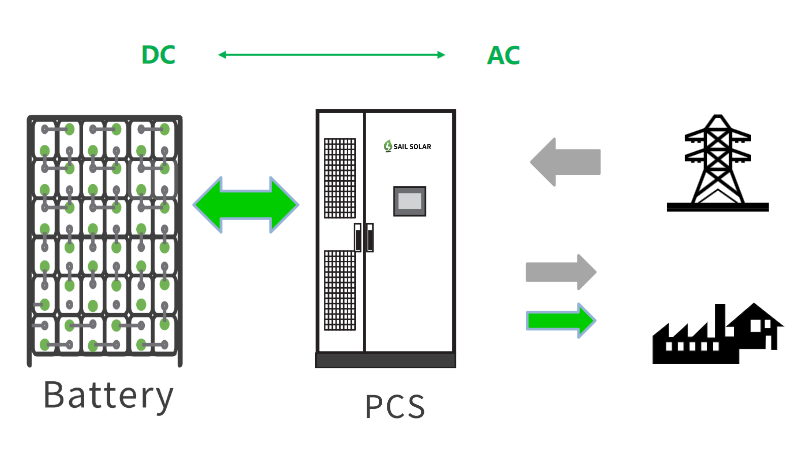
The role of the energy storage PCS in the energy storage system is: first, when charging, it can cleverly convert the AC power of the power grid into DC power to charge the energy storage battery and store the electrical energy; second, when discharging, it can accurately invert the DC power output by the battery into AC power and transmit it back to the power grid or directly supply it to electrical equipment for use, ensuring a stable supply of electricity.
Classification by Application Scenarios:
(1) Residential Energy Storage PCS
Household energy storage systems are mainly used in home scenarios. The power of household energy storage PCS is relatively small, generally around 5-10kW. It is characterized by its small size and easy installation, and can perfectly cooperate with distributed energy systems such as household solar panels. It can store solar power during the day and supply it to households at night. It can not only save electricity bills, but also serve as a backup power source when the power grid is out, ensuring the basic electricity needs of the household and creating a stable and reliable microgrid environment for the family.
(2) Industrial and Commercial Energy Storage PCS
Industrial and commercial energy storage systems serve industrial enterprises and commercial places. The power of this type of PCS is usually between 50kW and 500kW. It needs to face more complex power demand and working conditions, and has higher conversion efficiency and stronger stability. It can help enterprises to reduce peak loads and fill valleys, that is, store electricity during low power consumption and release electricity during peak power consumption, thereby reducing the electricity cost of enterprises. At the same time, it can also improve the reliability of enterprise electricity consumption and avoid the impact of power grid fluctuations or power outages on production and operation. It is a powerful assistant for enterprise energy management.
(3) Large-scale Energy Storage Power Station PCS
Large-scale energy storage power stations undertake multiple important functions in the power system, such as frequency regulation, voltage regulation, and standby. Their PCS power is often at the megawatt level or even higher, ranging from several megawatts to hundreds of megawatts. Large-scale energy storage power station PCS has extremely high requirements for the system's response speed and control accuracy. It needs to have strong grid connection capabilities and multi-machine parallel operation capabilities to ensure the safe, stable and efficient operation of the power system during large-scale power conversion. It is an indispensable and important part of the construction of modern smart grids.
Classification by Technical Route
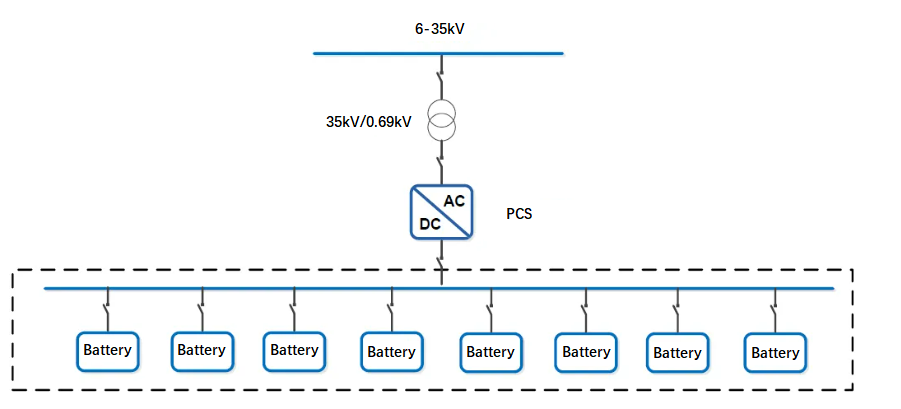
(1) String PCS
The string power conversion system (PCS) supports multi-branch battery access and cluster management and independent control, which significantly improves battery utilization, is easy to operate and maintain, and is easy to expand. Although the cost is high, the long-term benefits are obvious. At the same time, the system effectively solves the problem of parallel circulation of battery clusters. When a single PCS cabinet fails, the impact range is small and it is easy to operate and maintain, ensuring the high reliability and maintainability of the energy storage system.
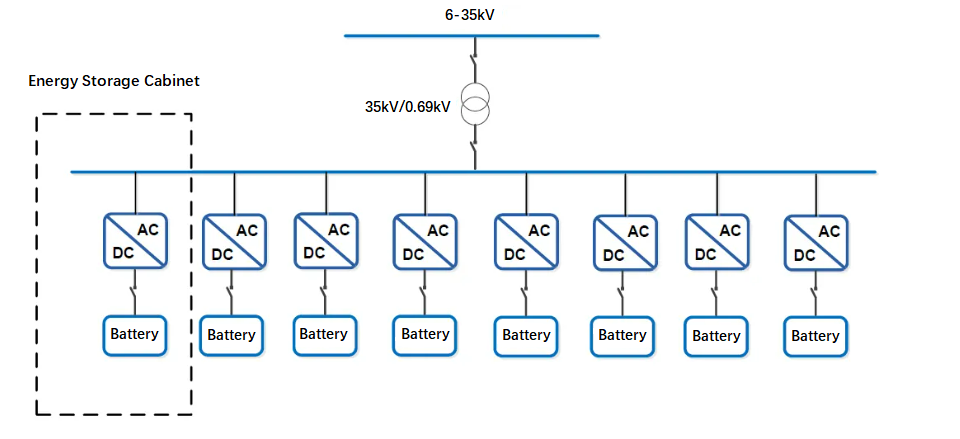
(2) Centralized PCS
Centralized PCS is widely popular in the energy storage field due to its mature technology, low cost, simple structure and convenient regulation. However, the challenge is that the voltage tolerance of its switching devices limits the expansion of the system, and a step-up transformer is often required for grid connection; the battery pack is difficult to finely balance, which affects system performance; and the entire machine is shut down in the event of a fault, resulting in high operation and maintenance costs, which affects the online rate and utilization rate, and increases the burden of later operation and maintenance.
(3) Distributed PCS
Distributed PCS is a power conversion system that uses a two-level AC/DC+DC/DC topology. It solves the problem of parallel circulation of battery clusters by adding DC/DC isolation before each battery cluster is connected to the DC bus in parallel, thereby improving battery utilization and system efficiency. At the same time, distributed PCS has high flexibility and scalability, and is easy to operate and manage. However, due to the addition of DC/DC isolation, its power conversion loss may increase, and the system structure is relatively complex, with high requirements for safety and stability.
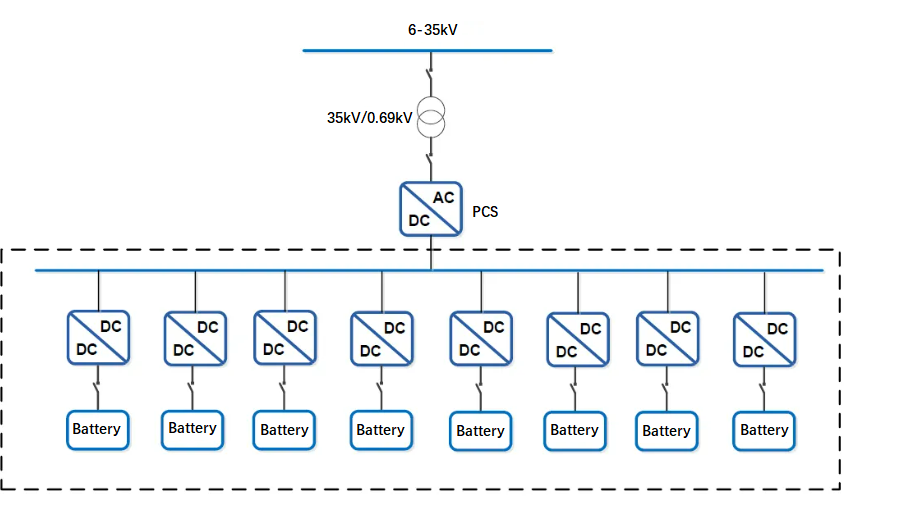
As an important part of new energy, energy storage technology is gradually changing the way we use energy. As the core brain of the energy storage system, the power conversion system (PCS) plays a pivotal role. Different types of PCS systems have different characteristics. The selection of PCS is a complex and meticulous process that requires comprehensive review and careful consideration. Only by closely combining the actual needs and technical conditions of the project can we ensure that the selected solution is the most suitable and appropriate. This will lay a solid foundation for the efficient and stable operation of the energy storage system and promote the continuous development and application of energy storage technology.
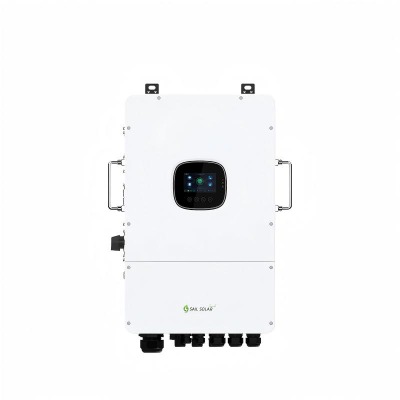
The core connection between PCS (Power Conversion System) and hybrid inverters (Hybrid Inverter) stems from their technical commonality. However, their essential differences lie in functional positioning, application scenarios, and performance adaptation. Hybrid inverters can be regarded as miniaturized and highly integrated derivative products of PCS, tailored for household photovoltaic energy storage scenarios. In contrast, PCS is a professional-level core device with comprehensive power conversion and system dispatching capabilities, better suited to the technical requirements of medium and large-scale energy storage projects.
 |
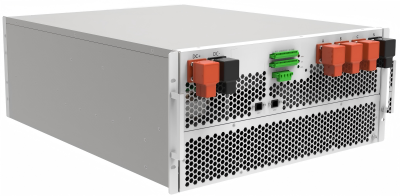 |
| Hybrid Inverter | PCS |
Both rely on bidirectional inverter technology to achieve bidirectional conversion between DC and AC power, and both possess basic functions such as battery charging and discharging management, load power supply, and grid interaction. However, they differ significantly in terms of functional depth, structural complexity, and application scale.
In terms of functional scope, the core positioning of PCS is the "energy hub" of the energy storage system, with a depth and breadth of functional coverage far exceeding that of hybrid inverters: In addition to basic bidirectional energy conversion, PCS also has comprehensive grid support capabilities, enabling advanced grid interaction functions such as frequency regulation, voltage control, and reactive power compensation. It supports seamless switching between microgrids and off-grid systems and can meet the expansion needs of large-scale energy storage systems through multi-unit parallel technology. At the same time, the PCS needs to work closely with the EMS (Energy Management System) to complete complex operations such as intelligent scheduling and charging/discharging strategy optimization. It also needs to be equipped with comprehensive protection mechanisms such as overvoltage, overcurrent, overtemperature, and islanding protection to ensure stable operation of the system under complex conditions. In contrast, hybrid inverters focus more on the core needs of residential applications, with photovoltaic MPPT (Maximum Power Point Tracking) as one of their core functions. They integrate basic bidirectional inverter technology, battery charge/discharge control, load power supply, and grid-connected/off-grid switching capabilities. Equipped only with basic battery management modules (such as SOC monitoring and charge/discharge threshold control), they can meet basic energy management needs such as peak-valley electricity price arbitrage and emergency power supply, without requiring complex grid support and system coordination capabilities.
In terms of structure and complexity, the core design of PCS focuses on modularity and scalability. It typically consists of independent units such as a bidirectional inverter module, a core control unit, a BMS (Battery Management System) interface, an EMS communication module, and filtering circuits, allowing for flexible expansion and configuration based on project scale. Hybrid inverters, on the other hand, are designed with high integration in mind, integrating core components such as the photovoltaic controller, bidirectional inverter, charging management unit, and protection circuits into a single device. They are characterized by their compact size and easy installation, requiring no complex system-level debugging, making them more suitable for deployment needs in residential and small-scale scenarios.
In terms of application scenarios, PCS are mainly aimed at medium to large-scale scenarios such as commercial and industrial energy storage, grid-side energy storage, microgrid projects, large-scale photovoltaic energy storage power stations, and off-grid power generation systems in islands/remote areas. Their power ratings typically extend from tens of kW to MW, adapting to high-voltage battery packs of hundreds to thousands of V (typically 300V-1500V). They offer higher control precision, supporting various flexible control modes such as constant power, constant voltage, and constant current, with efficiency reaching over 97% (the mainstream level for large PCS products). Hybrid inverters, on the other hand, focus on residential photovoltaic energy storage systems, small-scale commercial photovoltaic energy storage, home emergency backup power, and rural independent photovoltaic systems. Their power output is mostly concentrated in the range of several kW to tens of kW, adapting to low- or medium-voltage battery packs such as 48V/120V/240V. With photovoltaic MPPT tracking accuracy as the core performance indicator, their efficiency is generally maintained between 95% and 97%, emphasizing a balance between equipment integration, ease of installation, and cost control.
In summary, the core differences between PCS and hybrid inverters lie in their functional depth and application scenario positioning: PCS focuses on grid interaction and system dispatch, pursuing high performance, high scalability, and comprehensive grid support capabilities; hybrid inverters prioritize photovoltaic utilization and local load power supply, pursuing high integration, convenient deployment, and basic energy management capabilities. In actual selection, it is necessary to make a comprehensive judgment based on core factors such as project scale, functional requirements, voltage level and budget control to ensure that the equipment is accurately matched with the application scenario and maximize system efficiency.
The report reveals that as of October 2024, Europe’s grid-scale battery energy storage system (BESS) capacity has reached 10.3GW, marking a significant milestone in the continent’s energy transition. This capacity is projected to experience a remarkable fivefold increase, soaring to 55GW by 2030. Looking further ahead, forecasts indicate that Europe could achieve an impressive 126GW of operational BESS capacity by 2050, underscoring the region’s commitment to scaling up energy storage infrastructure to support its renewable energy ambitions.

Italy currently leads the battery investment attractiveness ranking among 28 European countries, a position driven by its ambitious target of deploying 50GWh of battery capacity by 2030. Additionally, Italy’s decision to open its ancillary services market to BESS assets has significantly enhanced its appeal to potential investors. These factors, combined with a favorable regulatory environment, position Italy as a frontrunner in the European BESS market.
The United Kingdom ranks a close second, with its installed BESS capacity currently standing at 4.3GW. This capacity is expected to more than double to 10.6GW in the coming years, bolstered by the country’s mature BESS industry and diverse revenue streams. The UK’s well-established market framework and supportive policies continue to attract significant investment, making it a key player in the European energy storage landscape.
Germany secures the third spot in the attractiveness ranking, surpassing Ireland due to its robust market prospects and ambitious renewable energy targets. The report highlights Germany’s strong potential for BESS deployment, driven by its commitment to achieving a carbon-neutral energy system. Meanwhile, emerging BESS markets across Europe, such as Belgium, Hungary, and Greece, are gaining traction as attractive investment destinations, particularly for smaller investors or those willing to take on higher risks in pursuit of growth opportunities.
Europe is rapidly emerging as a global hub for BESS investment, fueled by the anticipated addition of 333GW of variable renewable energy capacity by 2030. This surge in renewable energy deployment is expected to create unprecedented demand for energy storage solutions, enabling the BESS industry to expand exponentially in the coming decades.

An industry expert commented, “The grid-scale energy storage market remains robust, with a growing pipeline of investment opportunities driven by favorable market conditions. However, the battery market is characterized by a complex interplay between revenue streams and costs, with significant variations across European markets in terms of size, revenue potential, and risk profiles. This is evident even when comparing top markets like Italy and the UK: Italy offers opportunities for developers entering the market with greenfield projects, while the UK’s market is already saturated, making it more appealing to investors with advanced project portfolios. Batteries are a critical enabler of the energy transition, providing the flexibility needed to integrate a higher share of renewable energy technologies into the grid. However, the types of flexibility required and the associated revenue opportunities will continue to evolve, making this a highly dynamic and challenging market. Success will depend on a deep understanding of how local power markets are likely to develop in the future.”
This comprehensive outlook highlights the transformative potential of BESS in Europe’s energy landscape, while also emphasizing the need for strategic investment and market expertise to navigate its complexities.
AI website building technology is rapidly changing the way websites are developed, providing creators and businesses with faster and more intelligent website building solutions. This technology is emerging and leading a new revolution in the field of website development.
Traditional website development typically requires specialized knowledge and time investment, but with the development of artificial intelligence and automation technology, the emergence of AI website building tools has greatly simplified this process. These tools utilize machine learning and algorithms to automatically generate website layouts, designs, and content, allowing users to build their websites faster and more conveniently.
AI website building technology has intelligent recommendation and customization functions, which can generate personalized website design solutions based on user needs and industry characteristics. By analyzing a large amount of data and user preferences, these tools can provide customized website building solutions to meet the needs of different users.
This technology is particularly attractive to individual creators, small and medium-sized enterprises, and startups because it not only saves time and costs, but also lowers the technological barrier, allowing more people to easily create professional level websites.
However, despite the convenience brought by AI website building technology, there are still some challenges, including limitations in customization and adaptability to specific design aesthetics. In addition, ensuring the quality and security of the generated website is also an area that requires continuous improvement in this technology.
Overall, the rise of AI website building technology marks a huge progress in the website development industry, providing more people with opportunities to build their own websites and indicating that website development will move towards a smarter and more convenient direction.
How 15kWh Solar Batteries Are Revolutionizing Renewable Energy Access
Table of Contents
- 1. Introduction to 15kWh Solar Batteries
- 2. What is a 15kWh Solar Battery?
- 3. Advantages of 15kWh Solar Batteries
- 4. The Technology Behind 15kWh Solar Batteries
- 5. Installing 15kWh Solar Batteries
- 6. Applications of 15kWh Solar Batteries
- 7. The Future of Renewable Energy with 15kWh Solar Batteries
- 8. Frequently Asked Questions
- 9. Conclusion
1. Introduction to 15kWh Solar Batteries
In recent years, the push for sustainable energy solutions has taken center stage, with solar power leading the charge. Among the innovations transforming the solar energy landscape are **15kWh solar batteries**. These battery systems are designed to capture and store energy generated from solar panels, providing a reliable and efficient means of utilizing renewable energy. As we delve deeper into how 15kWh solar batteries are revolutionizing renewable energy access, we will explore their technology, advantages, installation, applications, and their significant impact on the energy landscape.
2. What is a 15kWh Solar Battery?
A **15kWh solar battery** is a storage device that holds energy produced from solar panels. The "kWh" refers to kilowatt-hour, which is a unit of energy. A 15kWh capacity means that the battery can store enough energy to power a typical household's essential appliances for several hours, depending on energy consumption. These batteries are typically lithium-ion, which allows for fast charging, longer life cycles, and higher energy density compared to older battery technologies.
3. Advantages of 15kWh Solar Batteries
The introduction of 15kWh solar batteries brings numerous advantages that make them a crucial component of modern renewable energy systems.
3.1 Energy Independence
One of the primary benefits of using a 15kWh solar battery is the potential for **energy independence**. By storing solar energy during the day, homeowners and businesses can utilize this power during the night or during cloudy days. This reduces reliance on the grid and minimizes the impact of fluctuating energy prices. The result is a more stable and predictable energy supply.
3.2 Environmental Impact
Switching to 15kWh solar batteries significantly contributes to reducing carbon footprints. By storing solar energy, users can decrease their reliance on fossil fuels, leading to a decrease in greenhouse gas emissions. This transition not only benefits individual users but also contributes to broader environmental goals, promoting a sustainable future for all.
3.3 Cost Savings
Investing in a **15kWh solar battery** can lead to substantial **cost savings** over time. While the initial investment may seem significant, the long-term savings on energy bills can outweigh the upfront costs. Additionally, many regions offer incentives, tax credits, and rebates for solar energy systems, further reducing financial barriers.
3.4 Reliable Power Supply
With increasing instances of power outages and grid instability, having a 15kWh solar battery provides a **reliable power supply**. During outages, the battery can seamlessly supply power to essential devices, ensuring that users remain connected and comfortable. This reliability is particularly crucial for sensitive equipment in medical facilities, data centers, and other critical sectors.
4. The Technology Behind 15kWh Solar Batteries
The technology that powers 15kWh solar batteries has evolved significantly, resulting in more efficient and durable systems. Most modern solar batteries utilize **lithium-ion technology**, which is characterized by the following features:
- **High energy density:** Lithium-ion batteries store more energy in a smaller space compared to traditional battery types.
- **Faster charging times:** These batteries can be charged quickly, making them suitable for daily use without long wait times.
- **Long cycle life:** With proper care, lithium-ion batteries can last for many years, providing excellent value for money.
Another critical technology in many 15kWh solar batteries is the **battery management system (BMS)**. The BMS ensures optimal battery performance by monitoring and controlling the charging and discharging processes, which enhances safety and prolongs battery life.
5. Installing 15kWh Solar Batteries
The installation of a **15kWh solar battery** is a straightforward process that typically follows these steps:
1. **Site Assessment:** A professional installer will assess the site to determine the best location for the battery and solar panels.
2. **System Design:** Based on the assessment, a customized solar energy system will be designed, taking into account the energy needs and available space.
3. **Installation:** Solar panels and the battery are installed, along with necessary inverters and electrical components.
4. **System Testing:** Once installed, the system is tested to ensure everything functions correctly and safely.
5. **Monitoring:** Many systems come with monitoring tools to track energy generation, storage, and consumption in real-time.
An experienced installer is crucial to ensure that the system is set up correctly and complies with local regulations.
6. Applications of 15kWh Solar Batteries
15kWh solar batteries are versatile and can be used in various applications. Some common uses include:
- **Residential Energy Storage:** Homeowners can store solar energy to power their homes, especially during peak usage times, thereby reducing electricity costs.
- **Commercial Use:** Businesses can utilize these batteries to manage energy costs, provide backup power, and enhance sustainability initiatives.
- **Off-grid Applications:** For remote locations without access to the grid, 15kWh solar batteries provide a reliable power source for homes, cabins, and even utility installations.
- **Emergency Backup:** Many consumers install these systems as a backup power solution to ensure continuity during grid failures.
7. The Future of Renewable Energy with 15kWh Solar Batteries
As the demand for renewable energy continues to grow, the future of **15kWh solar batteries** looks promising. With technological advancements, we can expect:
- **Improved Efficiency:** Continued research will lead to even more efficient battery systems that store greater amounts of energy more quickly.
- **Integration with Smart Grids:** As smart grid technology evolves, 15kWh batteries can become integral components, allowing for better energy management and distribution.
- **Increased Affordability:** As production scales up and technology advances, the cost of these batteries is expected to decrease, making them more accessible to a broader audience.
The role of 15kWh solar batteries in promoting renewable energy adoption is vital, not only for individual users but also for creating a sustainable energy landscape globally.
8. Frequently Asked Questions
What is the lifespan of a 15kWh solar battery?
The lifespan of a 15kWh solar battery can vary based on the technology used, but lithium-ion batteries typically last between 10 to 15 years with proper care.
Can I use a 15kWh solar battery without solar panels?
While a 15kWh solar battery is designed to work in conjunction with solar panels, it can also be charged from the grid. However, its primary purpose is to store solar energy.
How much energy can a 15kWh battery provide?
A 15kWh battery can provide enough energy to power essential household appliances, such as refrigerators, lights, and electronics, for several hours or even days, depending on usage.
Are 15kWh solar batteries compatible with all solar panel systems?
Most 15kWh solar batteries are designed to be compatible with various solar panel systems. However, it’s essential to consult with a professional installer to ensure compatibility with your specific setup.
What maintenance is required for a 15kWh solar battery?
Routine maintenance for a 15kWh solar battery is minimal. Regular checks on connections and monitoring performance through the BMS are typically sufficient to ensure optimal operation.
9. Conclusion
15kWh solar batteries are at the forefront of the renewable energy revolution, offering unparalleled advantages in energy independence, environmental impact, cost savings, and reliability. As we move towards a more sustainable future, the role of these innovative batteries will undoubtedly expand, paving the way for broader adoption of renewable energy solutions. With advancements in technology and increased accessibility, 15kWh solar batteries are not just a trend; they are a cornerstone of the clean energy transition, empowering consumers and businesses alike to harness the true power of the sun. By investing in solar batteries, we are not only enhancing our energy independence but also contributing to a healthier planet for future generations.
AI website building technology is rapidly changing the way websites are developed, providing creators and businesses with faster and more intelligent website building solutions. This technology is emerging and leading a new revolution in the field of website development.
Traditional website development typically requires specialized knowledge and time investment, but with the development of artificial intelligence and automation technology, the emergence of AI website building tools has greatly simplified this process. These tools utilize machine learning and algorithms to automatically generate website layouts, designs, and content, allowing users to build their websites faster and more conveniently.
AI website building technology has intelligent recommendation and customization functions, which can generate personalized website design solutions based on user needs and industry characteristics. By analyzing a large amount of data and user preferences, these tools can provide customized website building solutions to meet the needs of different users.
This technology is particularly attractive to individual creators, small and medium-sized enterprises, and startups because it not only saves time and costs, but also lowers the technological barrier, allowing more people to easily create professional level websites.
However, despite the convenience brought by AI website building technology, there are still some challenges, including limitations in customization and adaptability to specific design aesthetics. In addition, ensuring the quality and security of the generated website is also an area that requires continuous improvement in this technology.
Overall, the rise of AI website building technology marks a huge progress in the website development industry, providing more people with opportunities to build their own websites and indicating that website development will move towards a smarter and more convenient direction.
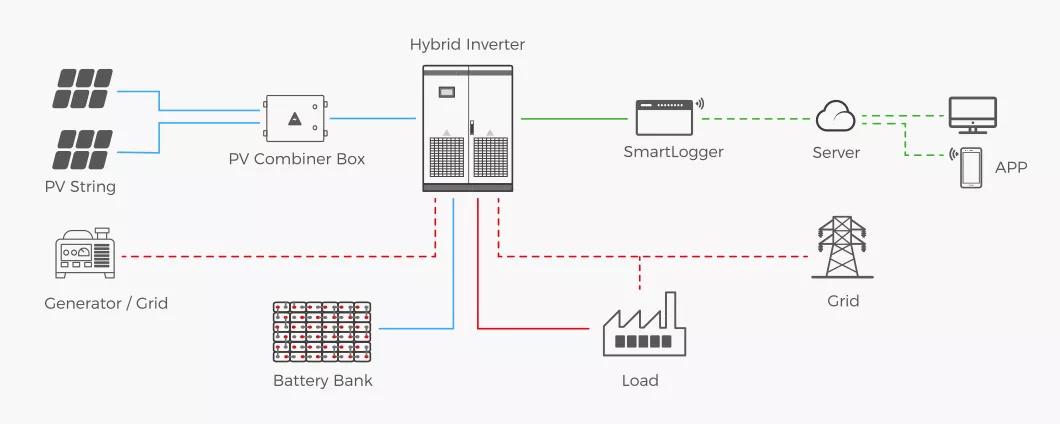
The hybrid solar system is an intelligent energy solution that combines solar photovoltaic (PV) generation, energy storage (e.g., batteries), and grid power (or backup generators). It enables self-consumption of solar energy, stores excess electricity, and draws power from the grid or storage when needed, improving energy efficiency and cost-effectiveness.
Components of a Hybrid Solar System
A hybrid solar system typically includes the following core components:
Solar PV Panels: Convert sunlight into electricity.
Hybrid Inverter:
Manages solar generation, battery charging/discharging, and grid interaction.
Supports both grid-tied and off-grid operation modes.
Battery Storage (e.g., lithium-ion, lead-acid):
Stores surplus solar energy for use at night or during cloudy days.
Grid Connection (Optional):
Allows selling excess power to the grid (e.g., under Feed-in Tariff policies) or purchasing power during low-cost periods.
Backup Generator (Optional):
Diesel or gas generator provides emergency power during extended outages.
Energy Management System (EMS):
Intelligently optimizes energy distribution, prioritizing solar, battery, or grid power.
Advantages of Hybrid Solar Systems
(1) Increased Energy Self-Sufficiency
Solar power is used during the day, while excess energy is stored in batteries for nighttime or cloudy conditions, reducing grid dependence.
Ideal for areas with unstable grids or high electricity costs (e.g., Africa, Australia, islands).
(2) Lower Electricity Costs
Peak/Off-Peak Management: Charges batteries during low-cost periods (from solar or grid) and discharges during peak hours to save on bills.
Reduced Grid Reliance: Minimizes grid consumption, avoiding high tariffs or blackout-related losses.
(3) Enhanced Power Reliability
Automatically switches to battery power (UPS function) during grid outages, ensuring uninterrupted supply for critical loads.
Suitable for hospitals, data centers, and factories requiring high reliability.
(4) Environmentally Sustainable
Maximizes renewable energy use, reducing fossil fuel dependence and carbon emissions.
More flexible than off-grid systems, with optimized battery sizing to minimize waste.
(5) Smart Energy Management
Remote monitoring via mobile apps or cloud platforms for optimized charging/discharging.
Future integration with Virtual Power Plants (VPPs) to participate in grid services (e.g., peak shaving) for additional revenue.
Applications of Hybrid Solar Systems
Residential:
Lowers electricity bills, enhances energy independence, and provides backup power.
Commercial & Industrial:
Reduces costs via time-of-use arbitrage and ensures stable operations.
Off-Grid/Remote Areas:
Powers islands, mountainous regions, and mining sites with unreliable or no grid access.
Microgrids:
Community or industrial park systems integrating solar + storage + diesel generators.
Future Trends
Solar + Storage + EV Integration
Solar + Storage + Chargers: Supplies green power for electric vehicles (EVs), reducing charging costs.
Vehicle-to-Home/Grid (V2H/V2G): Uses EV batteries as backup power for homes or the grid.
Policy & Business Model Innovations
Shared Energy Storage: Community or enterprise-based storage sharing to reduce costs.
Green Financing: Government subsidies and low-interest loans to boost adoption.
Modular & Plug-and-Play Systems
Standardized designs for easier installation and lower costs, enabling rapid residential deployment.
With a hybrid solar system, you will always have power no matter what the situation. With a backup battery, excess energy produced by your solar panels (but not used by your home) will be stored in the battery. The battery will then provide you with power at night, when the sun is out, during system outages, or during severe weather.
AI website building technology is rapidly changing the way websites are developed, providing creators and businesses with faster and more intelligent website building solutions. This technology is emerging and leading a new revolution in the field of website development.
Traditional website development typically requires specialized knowledge and time investment, but with the development of artificial intelligence and automation technology, the emergence of AI website building tools has greatly simplified this process. These tools utilize machine learning and algorithms to automatically generate website layouts, designs, and content, allowing users to build their websites faster and more conveniently.
AI website building technology has intelligent recommendation and customization functions, which can generate personalized website design solutions based on user needs and industry characteristics. By analyzing a large amount of data and user preferences, these tools can provide customized website building solutions to meet the needs of different users.
This technology is particularly attractive to individual creators, small and medium-sized enterprises, and startups because it not only saves time and costs, but also lowers the technological barrier, allowing more people to easily create professional level websites.
However, despite the convenience brought by AI website building technology, there are still some challenges, including limitations in customization and adaptability to specific design aesthetics. In addition, ensuring the quality and security of the generated website is also an area that requires continuous improvement in this technology.
Overall, the rise of AI website building technology marks a huge progress in the website development industry, providing more people with opportunities to build their own websites and indicating that website development will move towards a smarter and more convenient direction.